Understanding the Common Causes of Joint Pain: An Orthopaedic Surgeon’s Guide

It might be hard to believe, but when meeting family and friends at gatherings, you’d expect the most common question I get asked is, “hey, how are you doing?”. But while that may be true at times, it is often accompanied by a follow up question, “eh, my joint here pain, why ah?”. Whilst I often try to give some sort of “on the spot” diagnosis, very often I can't be too sure at all. This is because it could be a multitude of reasons as to why the joint can hurt.
Joint pain is extremely common and can range from mild stiffness to severe, disabling discomfort. As an orthopaedic surgeon, I often see patients (or family members) who are unsure whether their pain is due to something simple or something more serious. Because joint pain can come from many different sources—some benign, some urgent—understanding the possible causes is an important first step toward proper treatment.
So, lets take a look at some of the common causes of joint pain.
1. Osteoarthritis: The Wear-and-Tear Process
Osteoarthritis is the most common cause of joint pain. The smooth cartilage that cushions the bones gradually thins over time, resulting in stiffness, swelling, and aching—especially with activity. It typically affects the knees, hips, spine, and hands, and is influenced by age, previous injuries, repetitive strain, genetics, and excess body weight.
2. Inflammatory Arthritis: Immune-Driven Joint Pain
In inflammatory arthritis (such as rheumatoid arthritis, psoriatic arthritis, and ankylosing spondylitis), the immune system mistakenly attacks the joint lining. This leads to swelling, heat, tenderness, and significant morning stiffness. Inflammatory arthritis commonly affects multiple joints symmetrically. Early diagnosis is crucial, as modern treatments with medication can slow down or prevent joint damage.
3. Septic Arthritis: A Surgical Emergency
Septic arthritis occurs when bacteria infect a joint, causing rapid and destructive inflammation. Symptoms include severe pain, swelling, warmth, fever, and an inability to move the joint. The knee and hip are most often affected. This condition requires urgent antibiotics and surgical washout to prevent irreversible damage.
4. Tendon and Ligament Injuries
Injuries to the soft tissues that support our joints are a frequent source of pain. Sudden trauma or repetitive overuse can lead to tears or inflammation in structures like the rotator cuff, ACL, or ankle ligaments. Even smaller injuries can cause ongoing discomfort if not treated correctly.
5. Bursitis
Bursae are small fluid-filled sacs that reduce friction between bones, tendons, and muscles. When they become irritated—often from repetitive activity or pressure—bursitis occurs. It commonly affects the shoulder, elbow, hip, and knee and typically causes localized pain made worse by movement.
6. Overuse and Repetitive Strain
Repetitive movements—typing, lifting, running, or throwing—can inflame tendons (tendinopathy) and soft tissues. These overuse injuries often develop gradually and are common in athletes and people who rapidly increase their activity level.
7. Previous Injuries and Post-Traumatic Arthritis
Old injuries can change how a joint moves, making it more prone to early wear. Fractures, ligament tears, cartilage damage, or dislocations can all lead to post-traumatic arthritis, even years after the initial event.
8. Gout and Crystal-Related Conditions
Gout is caused by uric acid crystals forming inside a joint, leading to sudden, intense pain and swelling—often in the big toe. Pseudogout, caused by calcium crystals, produces similar symptoms. Both are highly treatable once diagnosed.
This condition responds well to regular medication and diet control.
9. Bone Tumours Around Joints
Although far less common, bone tumours can also cause joint pain. These may be benign or malignant.
Benign tumours, such as osteochondromas or enchondromas, may cause pain if they irritate nearby tissues or alter joint mechanics.
Malignant tumors, like osteosarcoma or chondrosarcoma, can cause persistent deep pain, swelling, or night pain.
Any unexplained, worsening pain—especially in children or young adults—should be assessed promptly.
In most instances, these joint aches can be treated without surgery, either with proper rest to allow recovery to take place, proper diet control or regular medication and follow up with the doctor. However, there are cases whereby surgical intervention becomes necessary.
Some causes of joint pain are best treated operatively:
Advanced osteoarthritis → hip, knee, or shoulder replacement
Ligament and tendon tears → ACL reconstruction, rotator cuff repair
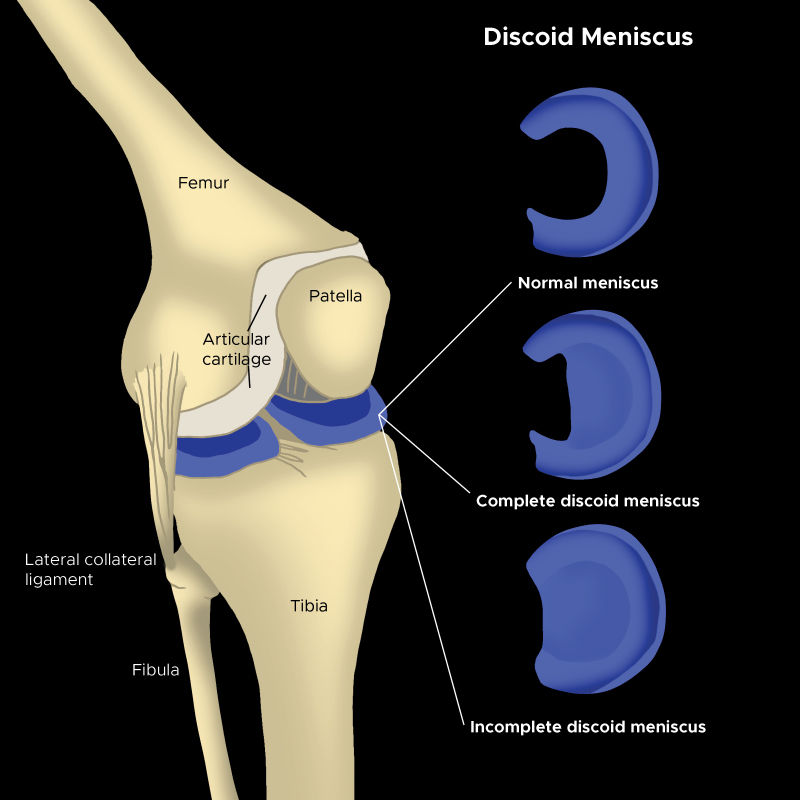
Meniscal tears or mechanical symptoms → arthroscopic surgery
Hip or shoulder impingement and labral tears → minimally invasive repair
Septic arthritis → urgent surgical washout
Bone tumours → surgical removal, sometimes combined with reconstruction
End-stage inflammatory arthritis → joint replacement if damage is severe

Joint pain can arise from many conditions—some mild, some serious. A proper diagnosis is the key to effective treatment. With early assessment and a tailored plan, most people can return to comfortable, active living.


Comments